Bird Identification Guide
How to Identify Bird Species by Sound and Photo
Learn practical bird species identification tips using sound, photo clues, habitat, and a simple field checklist for U.S. birdwatchers.
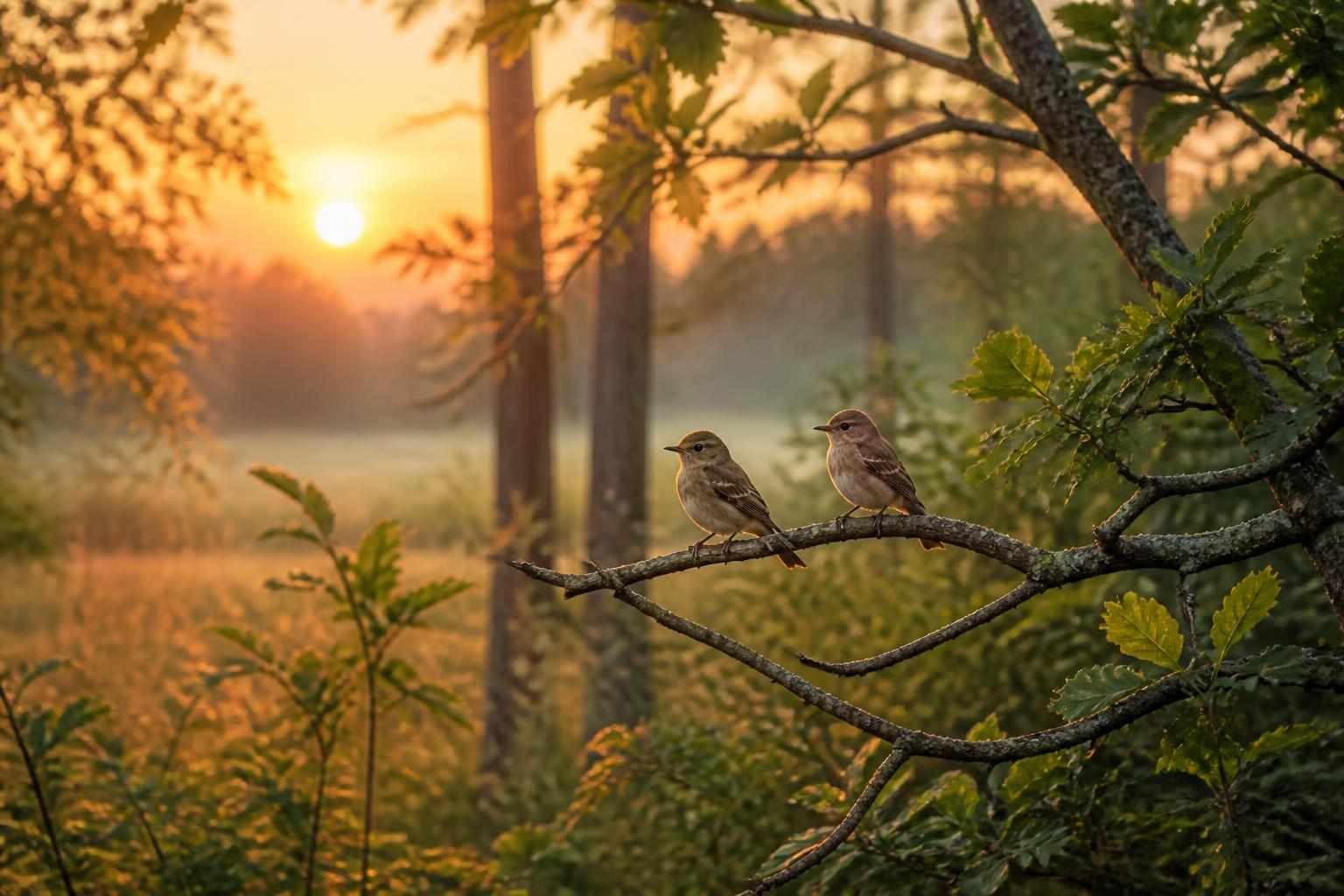
If you’re trying to narrow down a bird species identification in the field, start with the easiest clues first: size, shape, behavior, and sound. A clear photo helps, but in many cases the bird’s call or song is the fastest way to separate a few likely options.
This guide walks you through a practical identification process you can use anywhere in the United States. You’ll learn what to listen for, what to look for in a photo, and how to avoid common mistakes when the bird is only partly visible.
For a quick next step, you can also keep a running list in the Bird Identification Journal and compare notes over time.
Start with the quickest clues
Before you try to name the bird, pause and gather the features that are easiest to notice. A fast, calm check often gives you a better result than staring at field marks too long.
- Size: sparrow-sized, robin-sized, crow-sized, or larger?
- Shape: round-bodied, slender, long-tailed, or bulky?
- Bill: short and stout, thin and pointed, hooked, or cone-shaped?
- Motion: hops, climbs, hovers, ducks, or glides?
- Color pattern: one bold patch, streaking, a cap, wing bars, or a tail pattern?
- Sound: chirp, whistle, trill, buzzy note, repeated phrase, or abrupt call?
If you only remember one thing, remember that shape matters more than color in poor light. Many birds look “brown” or “gray” until the posture, bill, and tail length separate them.
Use sound as a first-pass filter
Bird sound identification is especially useful when the bird stays hidden in leaves or brush. A bird may be much easier to recognize by a repeated call than by a brief glimpse.
What to listen for
- Pace: slow and spaced out, or fast and repeating?
- Pitch: high, thin, midrange, or low?
- Tone: clear whistle, rough buzz, dry chatter, metallic note?
- Pattern: one repeated phrase, a rising series, or a mixed jumble?
- Delivery: single call from cover, song from a perch, or alarm notes in flight?
Even if you cannot identify the bird immediately, recording the sound can help you compare it later. A short clip is often enough to separate similar birds that look almost alike in the field.
Sound clues that help narrow the species
| What you hear | Helpful clue | What to check next |
|---|---|---|
| Repeated whistle from tree cover | Often points to a song-like territorial call | Look at habitat, perch height, and tail length |
| Sharp chip notes | May indicate a contact or alarm call | Watch movement and flocking behavior |
| Buzzing, trilling, or insect-like sound | Can be useful in brushy or leafy areas | Note whether the bird stays low or high |
| Harsh scolding chatter | Often easier to hear than to see | Check for a nest area or active feeding spot |
Keep in mind that birds sing differently by season, time of day, and situation. A song heard at dawn can differ from a call heard while the bird is feeding or alarmed.
Photo clues that matter most
If you have a photo, focus on the structural details that remain visible even when the image is not perfect. A slightly blurry image can still be useful if the shape and markings are clear enough.
Look at these features first
- Bill shape: seed-eating, insect-catching, probing, or raptor-like
- Head pattern: eyebrow, eye ring, cap, cheek patch, or plain face
- Wing details: bars, spots, bright patches, or plain wings
- Tail length and shape: short, long, squared, forked, or rounded
- Leg length: short and hidden, medium, or noticeably long
- Posture: upright on a perch, low in shrubs, trunk-clinging, or ground-feeding
Color can help, but it should not be your only clue. Lighting, shadows, camera settings, and motion blur all change the way feathers appear. Try to confirm any color-based guess with a second feature such as bill shape or behavior.
Simple photo comparison checklist
- Check the bird’s size relative to nearby leaves, fence posts, or feeders.
- Note whether the bill is thick, thin, short, or curved.
- Look for any strong pattern on the head, wings, or tail.
- Decide whether the bird is perched, flying, feeding, or climbing.
- Compare the habitat in the photo with the bird’s location context.
- Use the photo as one piece of evidence, not the full answer.
Nearby bird context can make the answer clearer
Where the bird was seen matters. A bird in a marsh often gives different likely options than the same-looking bird in a backyard, woodland edge, or open field. Habitat is not a final ID by itself, but it narrows the field quickly.
Ask these context questions
- Was the bird alone or in a flock?
- Was it feeding on the ground, in a shrub, on a trunk, or high in a tree?
- Was the location near water, woods, open grass, or buildings?
- Did the bird move like a climber, hopper, glider, or darting insect hunter?
- Was the sound coming from one bird or several?
For example, a small brown bird in a brushy backyard and a similar-looking bird in a wet meadow may belong to very different groups. Context helps you avoid forcing a guess based only on color.
A practical decision path for bird species identification
If you are stuck, use this order of checks. It keeps the process simple and reduces guesswork.
- Listen first. If the bird is vocal, write down the sound pattern.
- Watch shape. Size, bill, and tail length often beat color.
- Check the habitat. Match the bird to the setting, but do not rely on it alone.
- Look for one or two marks. Wing bars, eye rings, streaking, or a cap can help.
- Compare behavior. Hopping, climbing, hovering, and flocking each narrow the options.
- Stay cautious. If the evidence is mixed, label it as a likely match, not a certainty.
When you are unsure, the best identification is often the one you can explain with multiple clues, not just one striking feature.
Common mistakes to avoid
Bird identification gets easier when you know where people usually go wrong. A few habits can keep you from overconfident guesses.
- Trusting color alone: light, shadow, and camera settings can change everything.
- Ignoring the bill: bill shape is one of the strongest clues for many birds.
- Forcing a rare answer: start with the common possibilities in your area first.
- Overlooking behavior: how the bird moves can be as useful as how it looks.
- Using a single brief glimpse: wait for a second look if the bird stays nearby.
If your bird is only partly visible, accept partial confidence. That is still useful, especially when you are building a personal record of sightings.
How Orniqa can help when you are stuck
Orniqa is designed for moments when you have either a sound clip, a photo, or both, and you want a calmer way to narrow down the options. It can help you compare what you captured against likely matches without turning the process into a guess.
Try the Orniqa bird sound and photo identifier when you want a faster first pass in the field or a second opinion after you get home. It is especially useful when the bird is hidden, moving quickly, or only partly visible.
If you like tracking what you notice over time, the Bird Identification Journal is a natural place to keep observations, compare similar birds, and review patterns from past outings.
Field checklist you can save
Use this simple checklist on your next walk, backyard watch, or park visit.
- Time and place of the sighting
- Habitat type: yard, woods, field, water, or edge
- Bird size compared with nearby objects
- Bill shape and length
- Tail length and posture
- Wing bars, streaks, eye ring, cap, or other visible marks
- Sound type: whistle, chip, trill, chatter, or drumming
- Behavior: feeding, perching, climbing, flying, or flocking
- Best photo or audio clip you captured
A short written note can make later bird species identification much easier, especially when your memory of the sighting starts to fade.
Common reasons a bird is hard to identify
Sometimes a bird looks familiar but refuses to match a field guide. That usually happens for a few predictable reasons:
- Lighting: shade, glare, sunrise, or backlighting can change color perception.
- Distance: a bird far away may look smaller, duller, or more compact than it is.
- Molt or season: plumage can vary through the year.
- Juvenile birds: young birds often lack the clean markings adults show.
- Partial views: one angle may hide the bill, tail, or wing pattern.
If the bird seems “off,” try not to force an ID from a single snapshot. Compare several clues, and leave room for uncertainty.
When the best answer is still “not sure yet”
Sometimes the most accurate identification is a short list, not a single name. That is normal, especially with young birds, partial views, distant calls, or birds moving quickly through mixed habitat.
If you are uncertain, save the photo, record the sound, note the location, and revisit the clues later. Many birders find that a second look is enough to separate two close possibilities.
FAQ
What is the best first clue for bird species identification?
Start with shape, then sound, then a few visible marks. Bill shape, tail length, and behavior usually narrow the options more reliably than color alone.
Can I identify a bird from a blurry photo?
Sometimes, yes. A blurry photo can still show size, posture, bill shape, or a key pattern like wing bars. If the image is too soft, use habitat and sound as extra clues.
What if the bird sounds familiar but I still cannot name it?
Record the sound and note the pace, pitch, and tone. Then compare it with the bird’s location and behavior. A short recording is often easier to review later than a memory of the call.
Should I trust habitat alone to identify a bird?
No. Habitat is helpful for narrowing choices, but it should not be the only clue. Birds can appear in unexpected places, especially during migration or in mixed flocks.
Final take
The most reliable bird species identification comes from combining several small clues: sound, shape, behavior, and setting. If one clue is unclear, let the others do the work.
When you want a simple next step, try the Orniqa bird sound and photo identifier and keep your observations organized as you go. A careful note today often makes the next identification much faster.
Try the Orniqa app
Use the app when you want a faster, more organized starting point before comparing details manually.